
Topic: 2. Sacrifice and religion: Comparisons, Antiquarians, Anthropology (16th-18th Century)
Religious sacrifices across various cultures and contexts sparked widespread interest in Early Modern Europe. As Christianity expanded into regions inhabited by "infidels" and "pagans", Europeans encountered a diverse array of sacrificial customs, ranging from the Sati rituals in India to the Aztec sacrifices in the Americas. This cross-cultural exposure captivated a wide audience, including theologians, philosophers, political thinkers, antiquarians, orientalists, missionaries, poets, artists, and even the general public. These encounters broadened the European understanding of sacrifice and led to a critical reassessment of classical and biblical sacrificial rites. This section includes:
- Sources: A selection of early modern printed materials, which include descriptions of the Americas, Asia, and Africa, alongside antiquarian and philological studies on religious sacrifice in classical antiquity and beyond. It also presents early modern works of ethnological observations and the first attempts to compare different sacrificial practices in various traditions and contexts, laying the groundwork for disciplines like the history of religions and anthropology.
- Iconographic Representations: A rich collection of images from the 16th to 18th centuries, illustrating a range of sacrificial rituals and practices as seen in different cultural and geographical contexts.
- Related Bibliography: An extensive bibliography spanning scholarly works from the 19th to 21st centuries, providing contemporary analyses and interpretations of these early studies and observations.
Contentious Traditions: The Debate on Sati in Colonial India
Delhi: Kali for Women, 1989.
The Sacrifice of Isaac in the Three Monotheistic Religion: proceedings of a symposium on the interpretation of the Scriptures held in Jerusalem, March 16-17
Jerusalem: Franciscan Printing Press, 1995.
Manifestations festives et expressions du sacré au Maghreb
in: Prologues: Bulletin du Livre sur le Maghreb / Muqaddimāt: Nashrat al-Kitāb ḥawl al-Maghrib al-ʿArabī , v. 1 (1993), issue : pp.5-11.
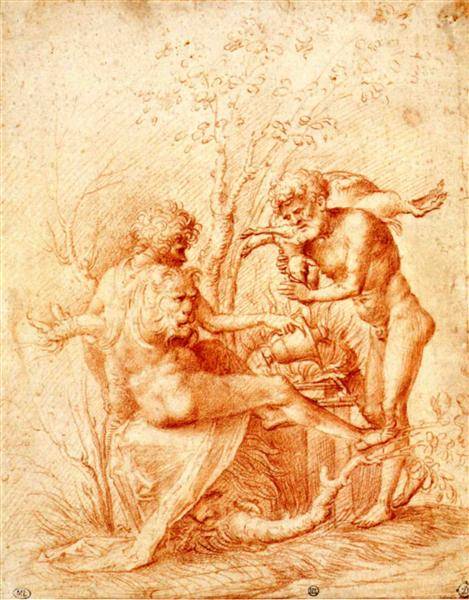
Molorchos making a Sacrifice to Hercules (1506)
Musée du Louvre, Paris
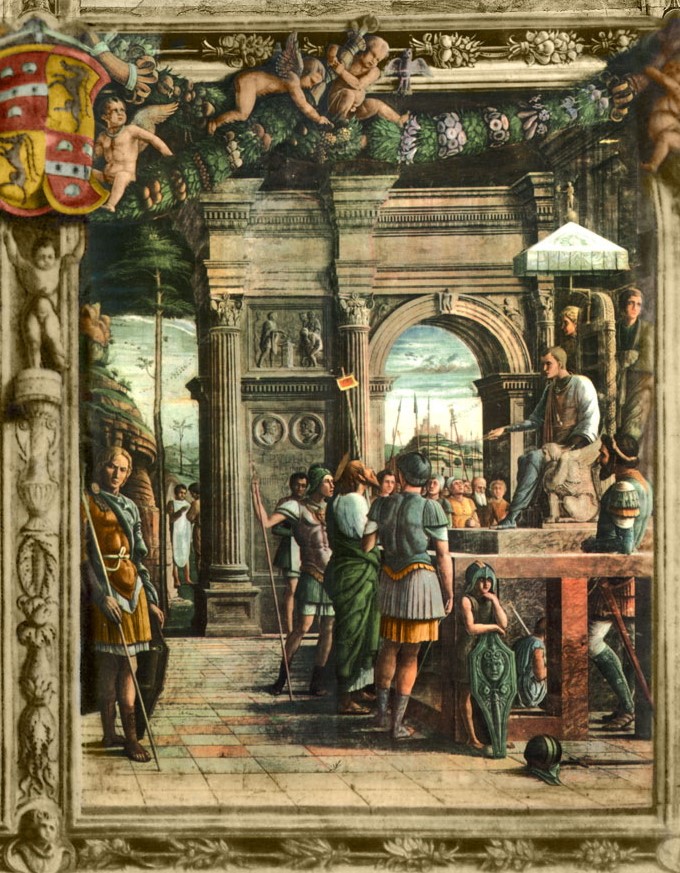
Stories of Saint James (1447 - 1456)
Chiesa degli Eremitani, Cappella Olivetari, Padova
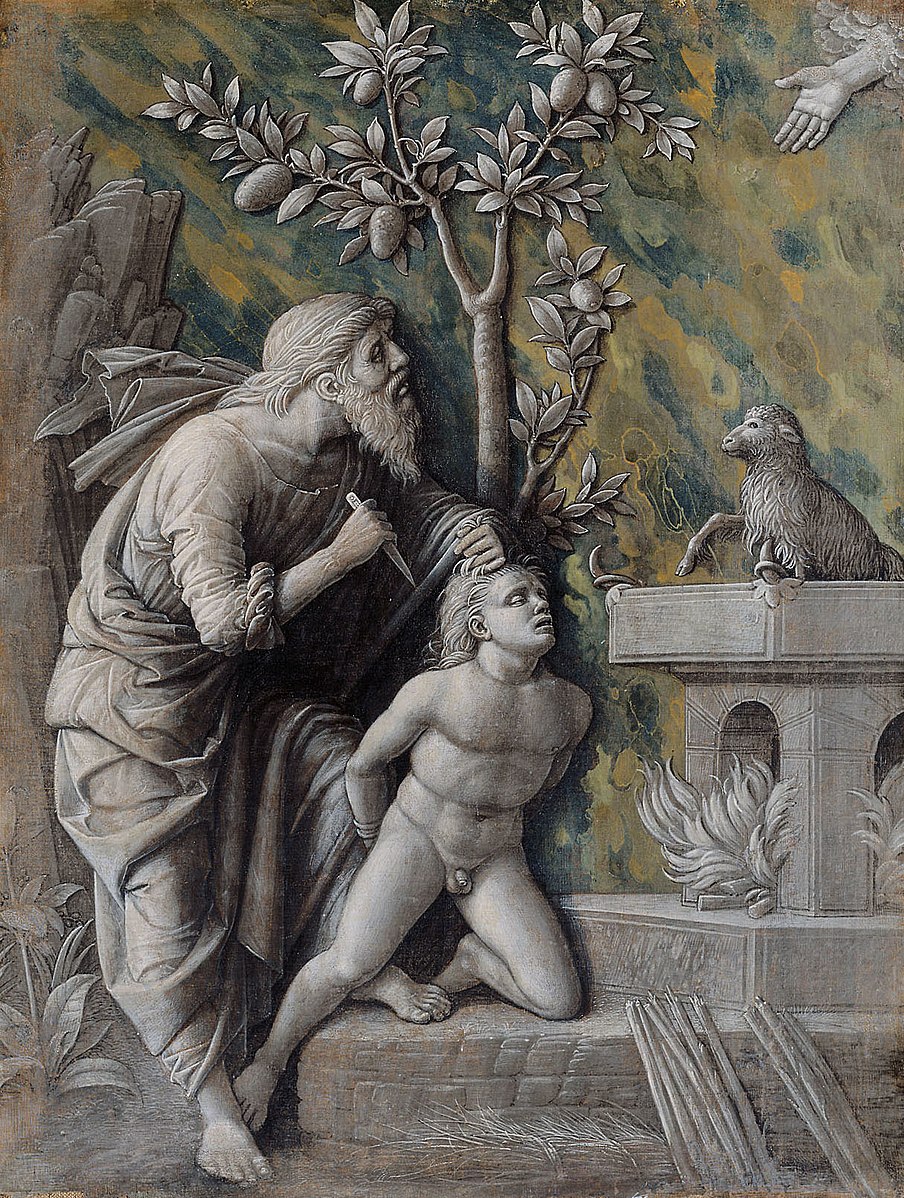
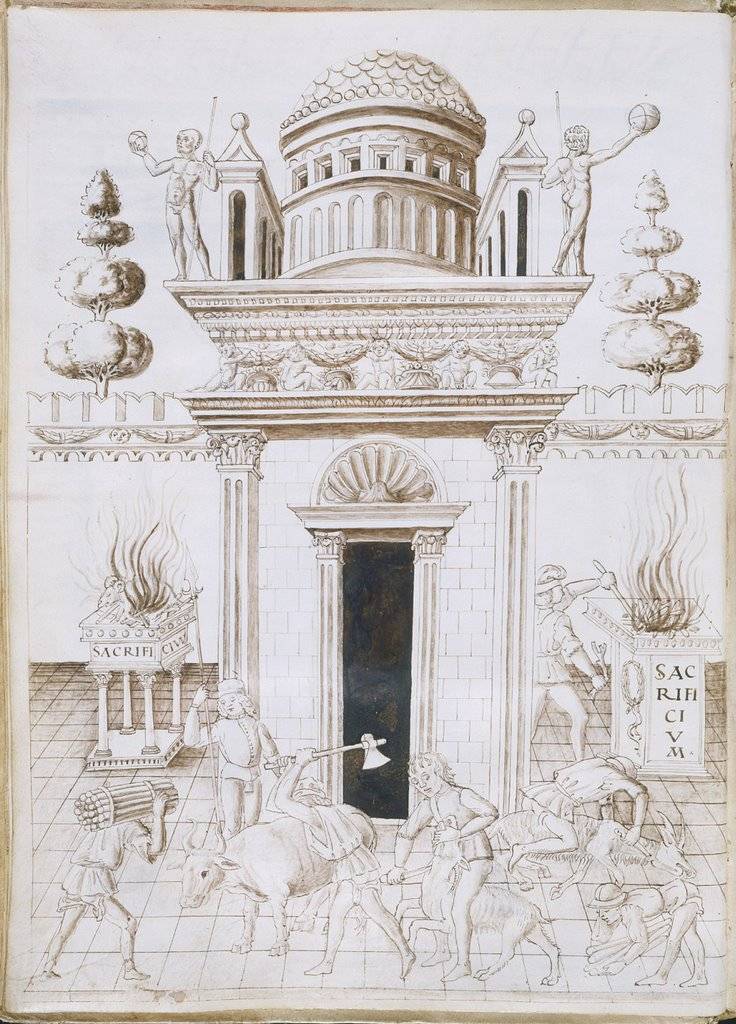
Animal Sacrifice [1471]
Modena, Biblioteca Estense, Lat. 992
Performative Midrash in the Memory of Ashkenazic Martyrs
in: Midrash Unbound: Transformations and Cultural Innovations, pp. 197-209
Oxford: Littman, 2013.
Sommaire recueil des signes sacrez, sacrifices et sacremens instituez de Dieu depuis la création du monde ; et De la vraye origine du sacrifice de la messe
[Caen]: [Pierre Philippe], 1561.

A Gentoo Burning Herself (1783)
from: The Geographical Magazine, London, Harrison & Co., 1783
http://www.columbia.edu/itc/mealac/pritchett/00routesdata/1800_1899/hinduism/sati/sati.html
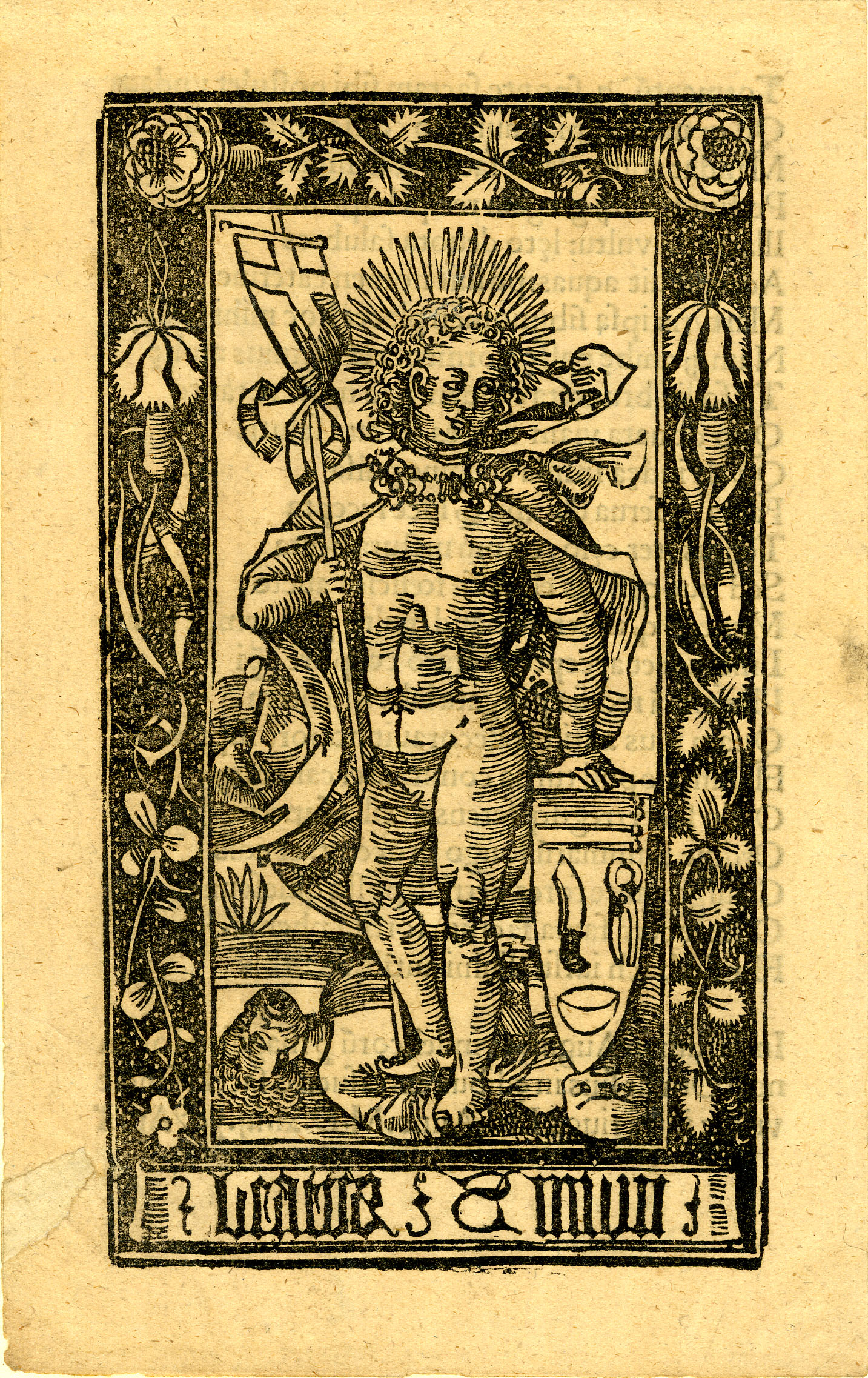
Saint Simon of Trent holding the flag and a shield; standing on the body of a male figure; in a border with flowers on black ground; illustration to Ubertino Pusculino, 'Duo libri Symonidos de Judaeorum perfidia', Augsburg: Johan Ottmar, 1511 (1511)
from: Ubertino Pusculino, 'Duo libri Symonidos de Judaeorum perfidia', Augsburg: Johan Ottmar, 1511
British Museum

Iphigenia at the Altar [1500]
Victoria & Albert Museum, London
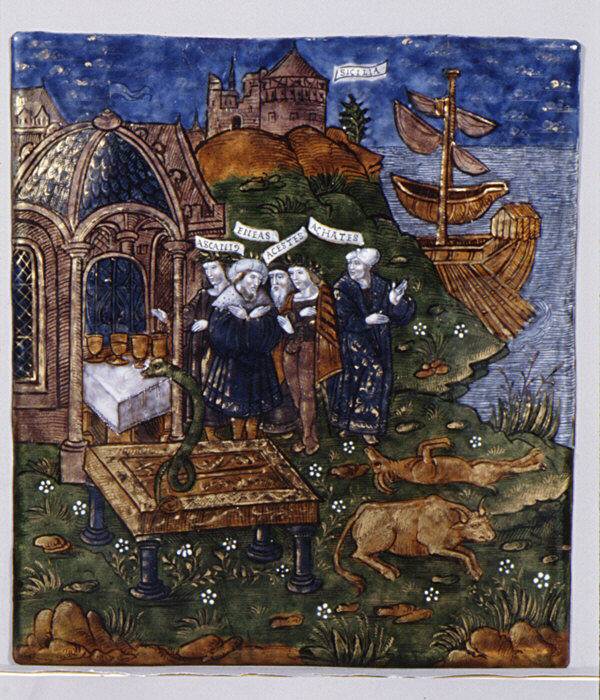
Aeneas and His Companions Sacrifice to the Gods before the Tomb of his Father, Anchises, in Sicily (1530–35)
from: Vergil, Aeneid, edited by Sebastian Brant and printed by Johann Grüninge (Limoges, France)
The Metropolitan Art Museum, New York
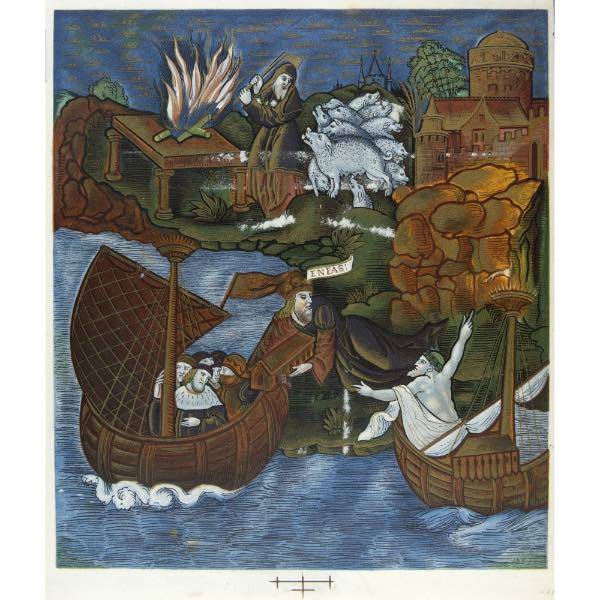
Aeneas finds a sow with 30 piglets, and sacrifices her to Jupiter and Juno [1530]
from: Vergil, Aeneid (Limoges, France)
London, Victoria and Albert Museum (inv. 1604-1855)
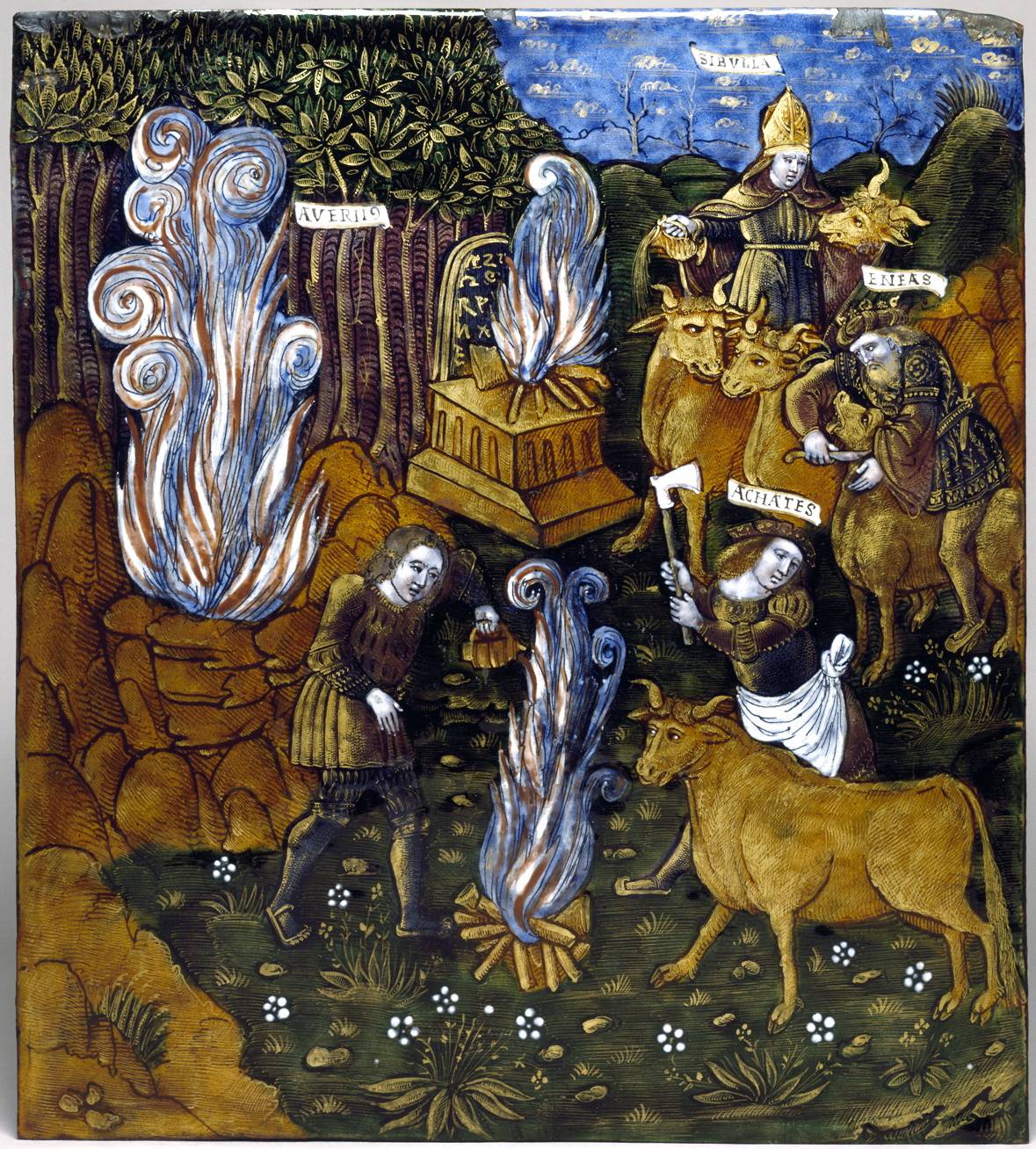
Aeneas Offers Sacrifice to the Gods of the Lower World (1530-1540)
from: Vergil, Aeneid, edited by Sebastian Brant and printed by Johann Grüninge (Limoges, France)
Walters Art Museum, Baltimore

Scene of Jewish offering (1470)
Museum Boymans-van Beuningen, Rotterdam, Netherlands

Purported Martyrdom of Simon of Trent (1505-1515)
Museo Diocesano Tridentino, Trento - Tridentine Diocesan Museum, Trent