
Topic: 2. Sacrifice and religion: Comparisons, Antiquarians, Anthropology (16th-18th Century)
Religious sacrifices across various cultures and contexts sparked widespread interest in Early Modern Europe. As Christianity expanded into regions inhabited by "infidels" and "pagans", Europeans encountered a diverse array of sacrificial customs, ranging from the Sati rituals in India to the Aztec sacrifices in the Americas. This cross-cultural exposure captivated a wide audience, including theologians, philosophers, political thinkers, antiquarians, orientalists, missionaries, poets, artists, and even the general public. These encounters broadened the European understanding of sacrifice and led to a critical reassessment of classical and biblical sacrificial rites. This section includes:
- Sources: A selection of early modern printed materials, which include descriptions of the Americas, Asia, and Africa, alongside antiquarian and philological studies on religious sacrifice in classical antiquity and beyond. It also presents early modern works of ethnological observations and the first attempts to compare different sacrificial practices in various traditions and contexts, laying the groundwork for disciplines like the history of religions and anthropology.
- Iconographic Representations: A rich collection of images from the 16th to 18th centuries, illustrating a range of sacrificial rituals and practices as seen in different cultural and geographical contexts.
- Related Bibliography: An extensive bibliography spanning scholarly works from the 19th to 21st centuries, providing contemporary analyses and interpretations of these early studies and observations.

Vizlipuztli Idolum Mexicanorum (Huitzilopochtli Mexican Deity) (1671)
from: Arnoldus Montanus, De Nieuwe en Onbekende Weereld, Amsterdam, Jacob Meurs, 1671
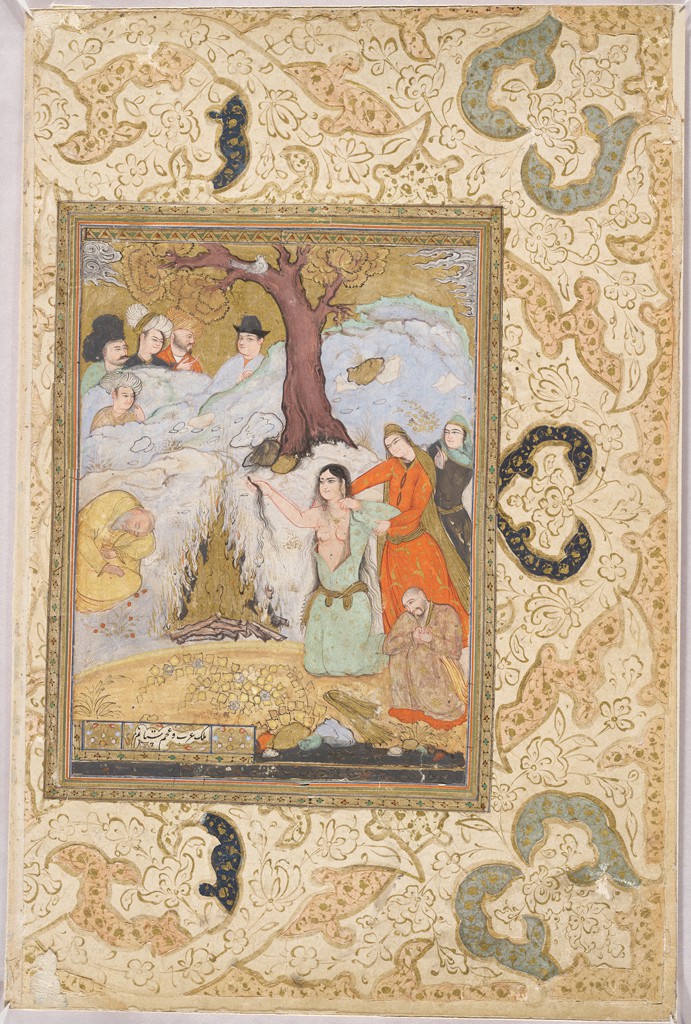
Woman Committing Sati (17th century)
Harvard Art Museum, Boston (https://harvardartmuseums.org/art/165399)
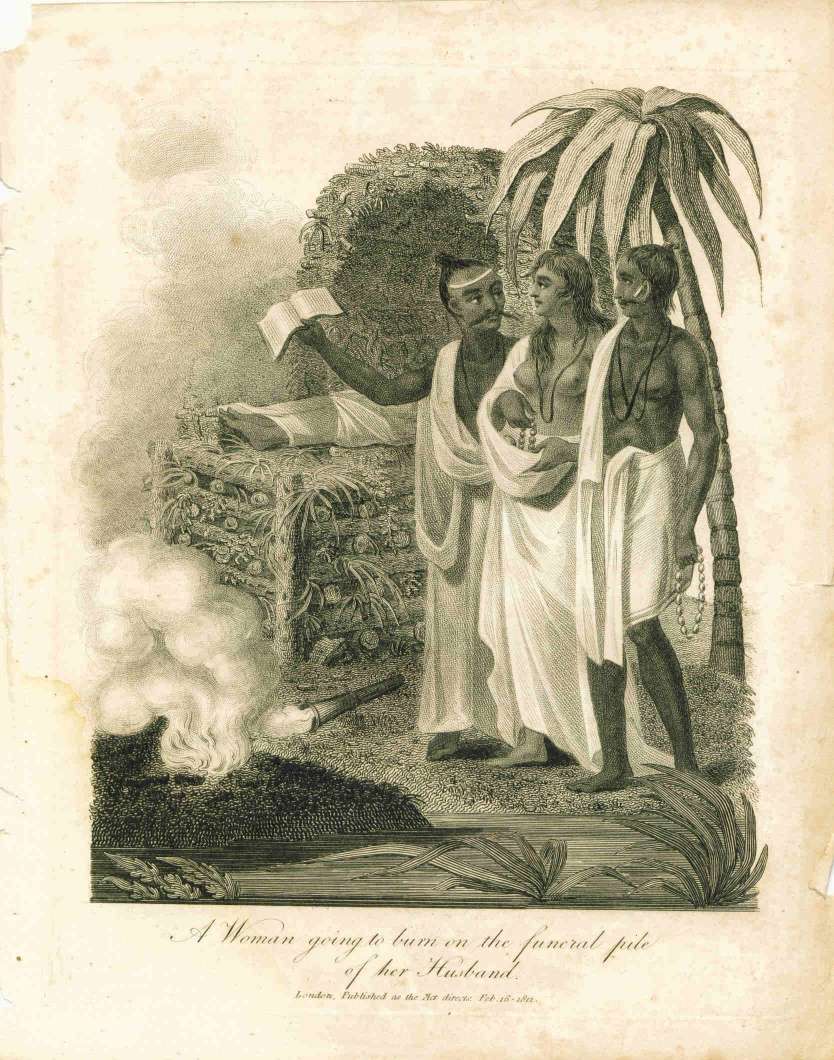
Woman Going to Burn (1811)
http://www.columbia.edu/itc/mealac/pritchett/00routesdata/1800_1899/hinduism/sati/sati.html

Zacharias sawn in half in a tree (1570-1580)
from: Qazwin, Iran
Dallas Museum of Art (Keir Collection), Dallas K.1.2014.1166 (III.278) folio: 231r
Borgia Codex
: , [1476] - [1500].
Codex Magliabecchiano
: , [1526] - [1550].
Descrizione della presente figura mandata in Roma da un missionario apostolico della Cina con le cirimonie, che si praticano nel solenne sacrificio di Confucio: cavata dall'articolo 4 dei quesiti decisi dalla Santità di N.S. Clemente 11. il dì 20. novembre 1704
n. p.: n. p., [1704].
Relación verdadera en que se da cuenta muy por extenso del modo que tienen de vivir assi Moros, como Iudios de la ciudad de Argel, y del mal tratamiento y rigor que usan con los cautivos, y como les permiten que oigan Missa, y Sermon, y otras muchas cosas diversas de admiración. Escrita por un cautivo que ahora ha venido de allá (natural desta Villa, y Corte de Madrid) en la Redención que hizo el Convento de la Santísima Trinidad en 25. de Marzo [de] este año de 1639
Madrid: Diego Díaz, 1639.
Solomons sacrifice. With his prayer in Gibeon, and how God appeared to him in a vision and granted his request. To a pleasant new tune
London: Henry Gosson , [1635].
Otros huvo que, como se viesen apretados de la enfermedad, llamaron al hechicero para que les diese la salud, y el miserable les decía que la guaca estaba enojada y que por eso les daba aquella enfermedad, y que para aplacarla era necesario ofrecerle sacrificios de animales y otras cosas, y que con aquello cobrarían salud, y de esta suerte los traía engañados y ellos hacían lo que les mandaba, y viendo que no sanaban, antes se iban acabando, conocían su error y el engaño del demonio, y así venían a los pies de los sacerdotes con muchas lágrimas a pedir perdón a Dios de su pecado, y habiendo recibido los santos sacramentos de la confesión y extrema unción, morían con grandes muestras de su salvación, dejando edificados a los que les veían morir.
in: “Monumenta Peruana (Letter from an Anonymous Jesuit to Juan Sebastian), Rome, 1974, vol. 6”
: , 1599.
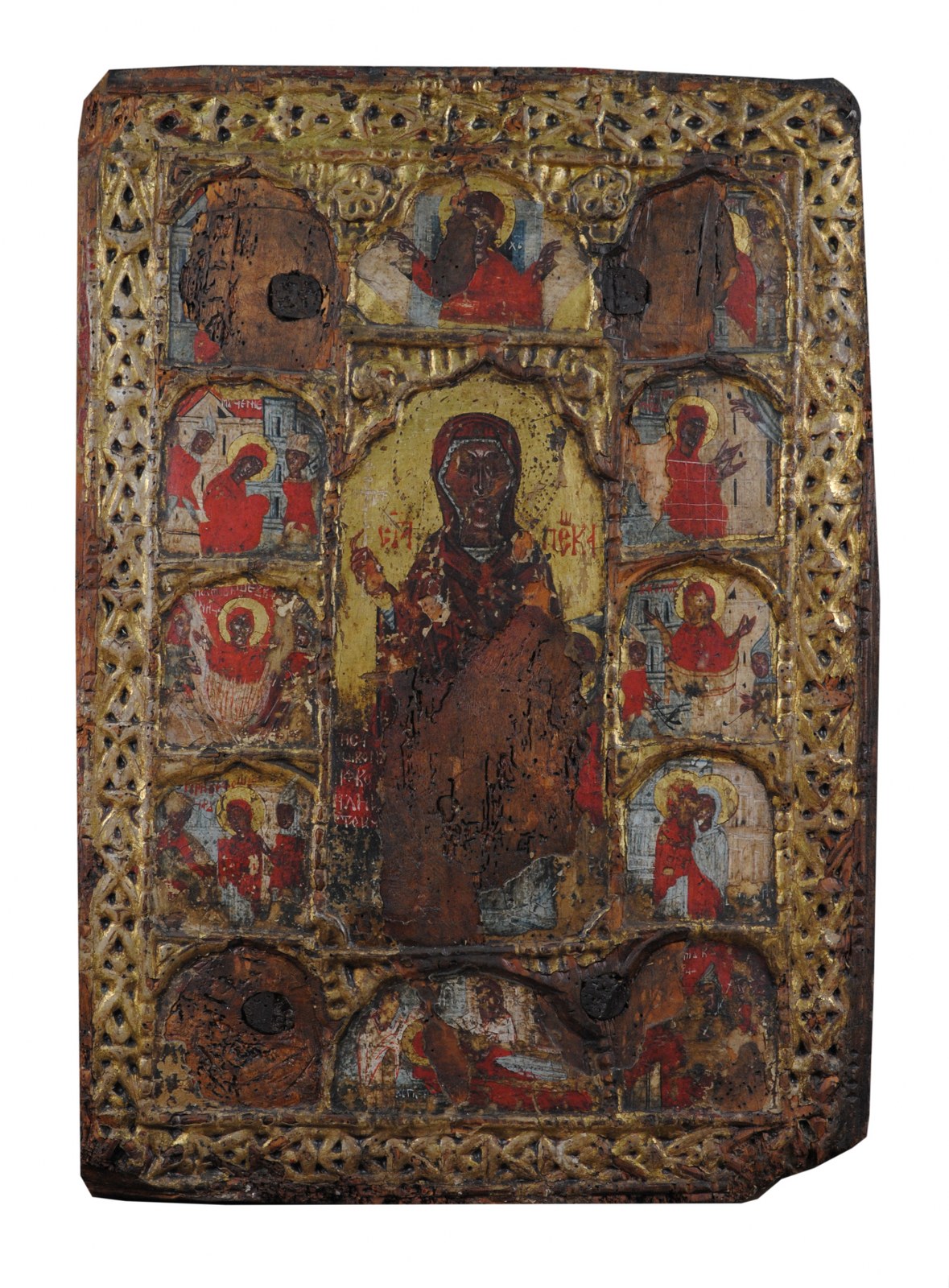
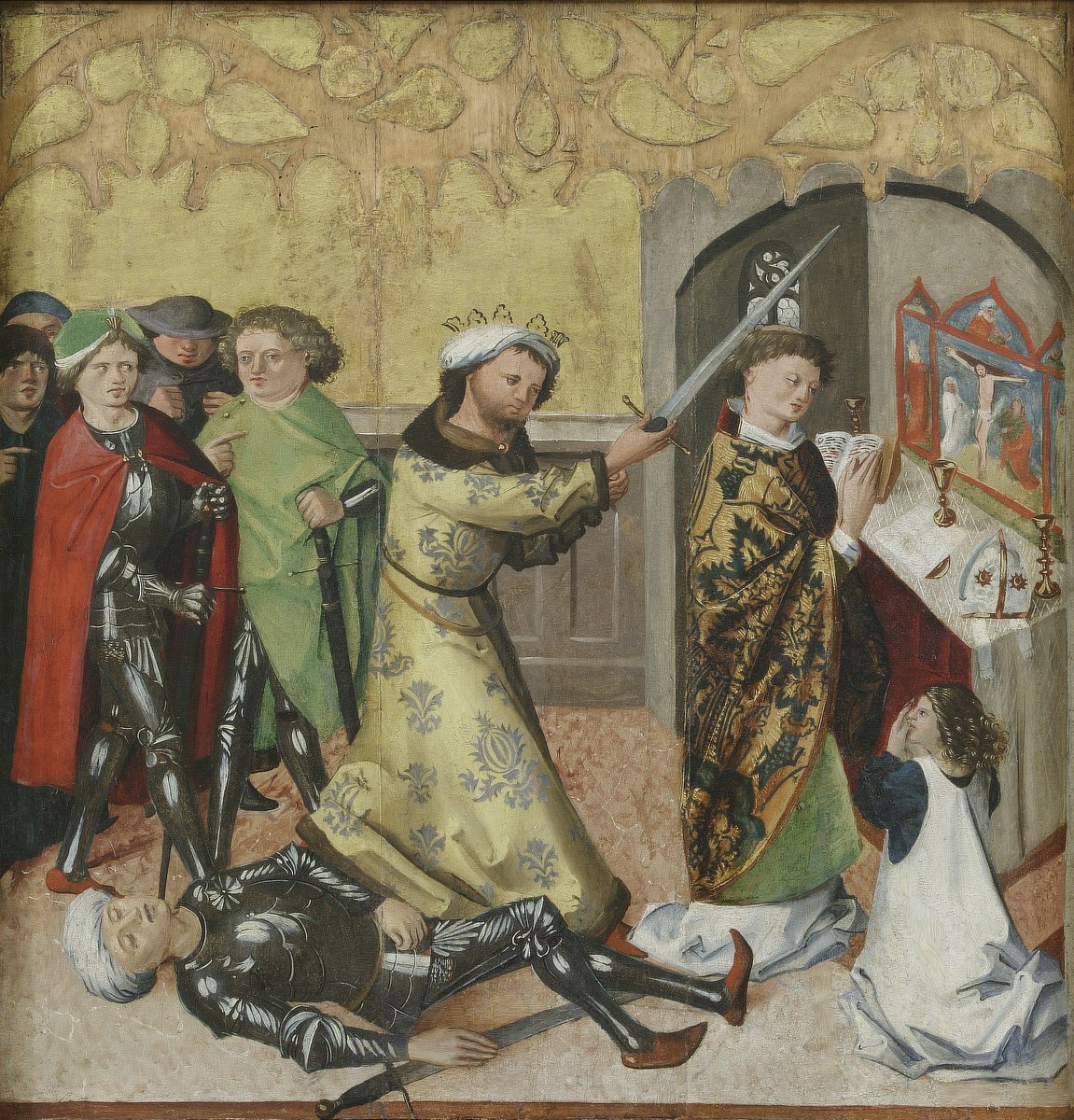
The Martyrdom of Saint Stanislaus (1550 ca.)
Hungarian National Gallery
Voyage en Inde 1754–1762
in: “Voyage en Inde 1754–1762”
Paris: École française d’Extrême-Orient, Maisonneuve et Larose, 1997 [1754–1762].
Paired Leopards and Encircled Prey: Images of Rivalry and Sacrifice at Çatalhöyük
in: Violence and the Sacred in the Ancient Near East. Girardian Conversations at Çatalhöyük , pp. 129-150
Cambridge: Cambridge University Press, 2019.