
Zadig ou la destinée
Zadig ou la destinée. Histoire orientale
Related Documents:

Sati Funeral Practice (1611)
from: Johannes Isacius Pontanus, "Rerum et urbis Amstelodamensium historia", Amsterdam, 1611, p. 189
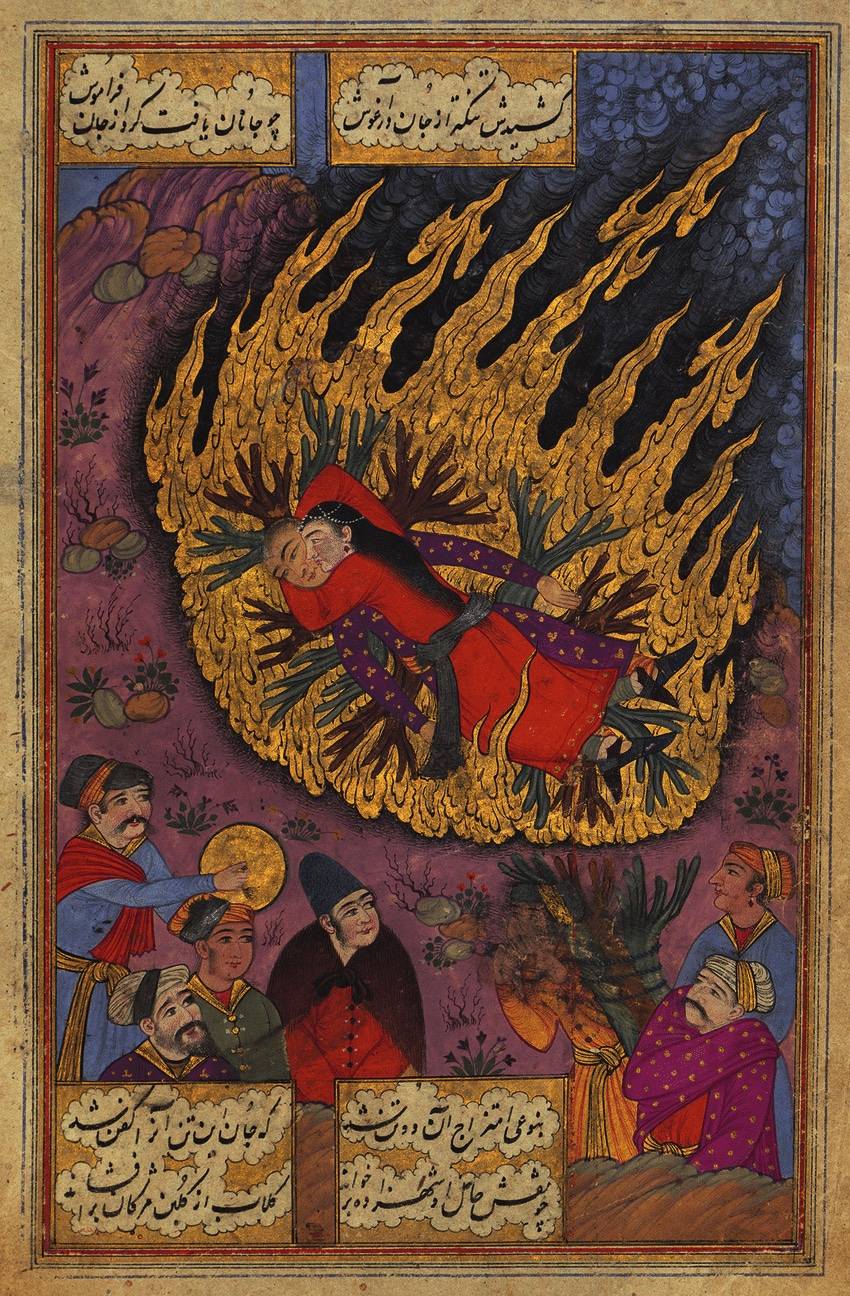
Satī, from a Sūz u Gudāz manuscript. The union of the couple on the pyre (1657)
from: Sūz u Gudāz ms, Iran, Walters Manuscript W. 649, fol. 19b (Burning and Melting)
The Walters Art Museum, Baltimore, Maryland

A scene of Sati ritual Souryabha. Femme duchadja Jasingha se brulant. On represente icy la maniere en laquelle se brusla une femme de Radja Jasing appellée en la langue Indienne - Souryabha, qui veut dire lumiere du soleil, elle se brusla sans faire paroistre acucune crainte du feu ni de la mort. (1678-1686)
from: Nicolo Manucci, Histoire de l'Inde depuis Tamerlank jusquà Orangzeb [ms Libro Rosso, fol. 50v]
Bibliothèque nationale de France, Paris
Interesting historical events, relative to the provinces of Bengal, and the empire of Indostan
London: Becket & De Hondt, 1765-1771.
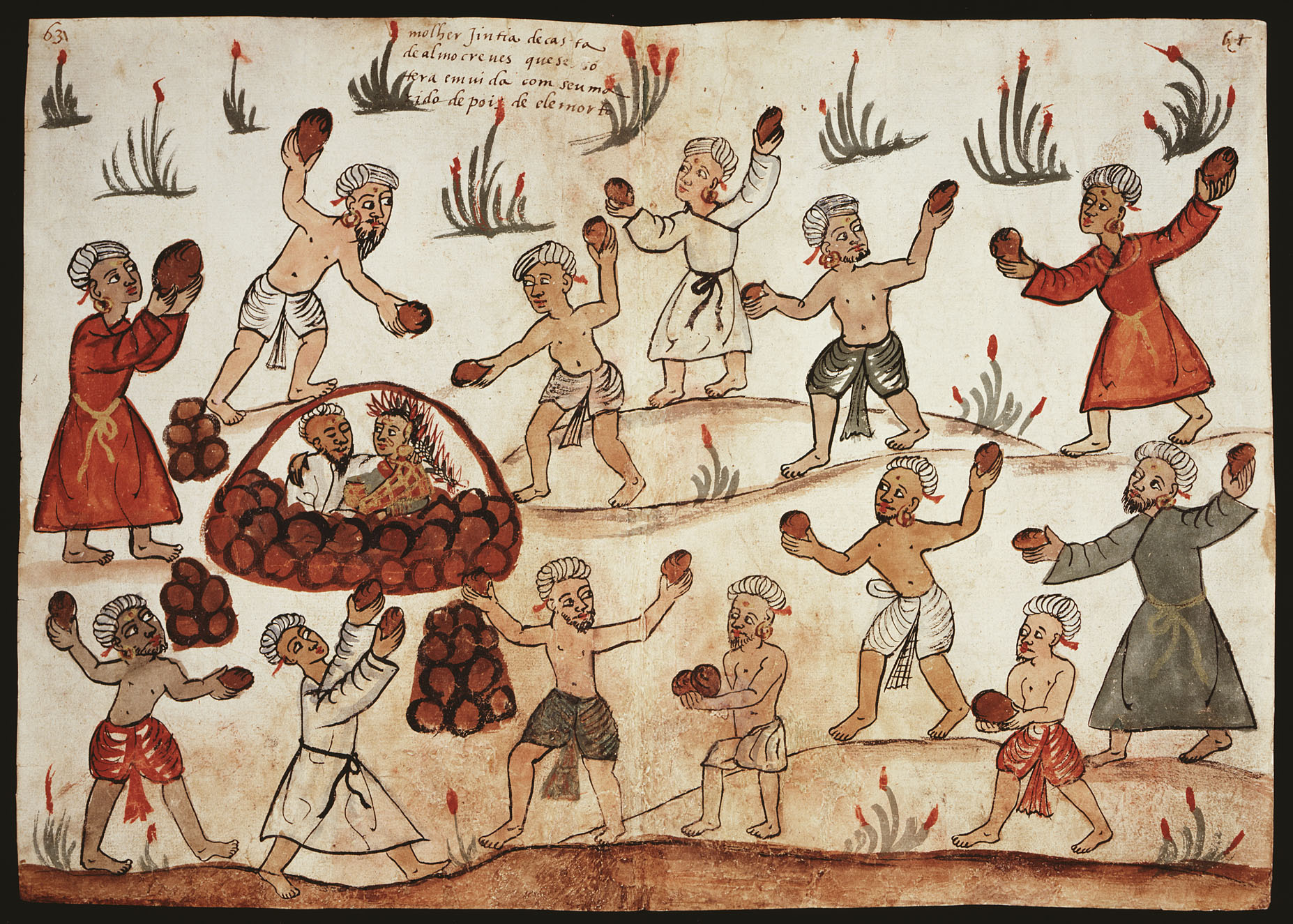
Satī. Gentile women of the caste of the cattle drivers, who is buried alive with her husband after he had died [1540]
Codice Casanatense, Biblioteca Casanatense, ms. 1889, fol. 64r, Rome