
Keyword: Sati – Image Gallery
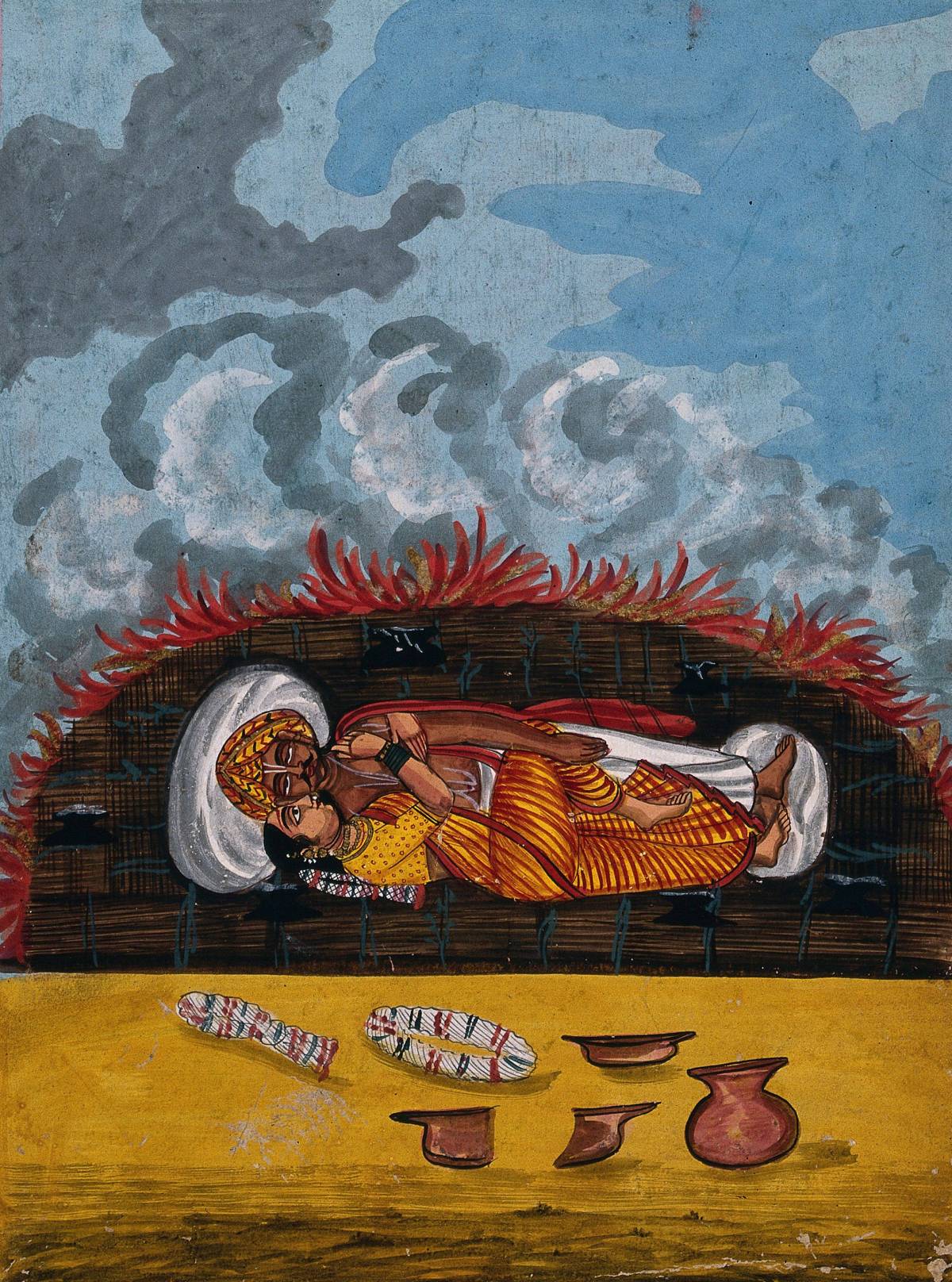
Suttee. Gouache painting by a painter of Thanjavur (Tanjore) [1800]
from: Tanjore
London, Wellcome Collection
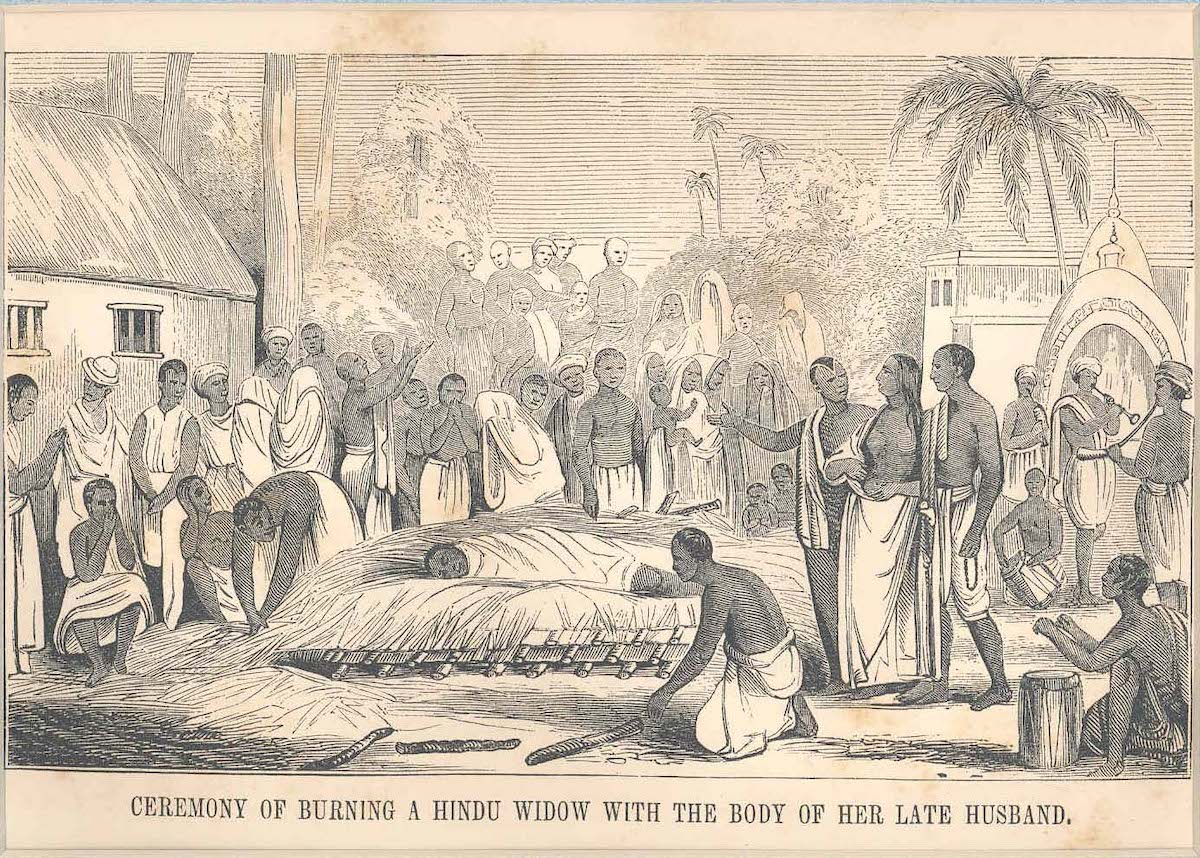
Ceremony of Burning a Hindu Widow (19th century)
http://www.columbia.edu/itc/mealac/pritchett/00routesdata/1800_1899/hinduism/sati/sati.html

A scene of Sati ritual Souryabha. Femme duchadja Jasingha se brulant. On represente icy la maniere en laquelle se brusla une femme de Radja Jasing appellée en la langue Indienne - Souryabha, qui veut dire lumiere du soleil, elle se brusla sans faire paroistre acucune crainte du feu ni de la mort. (1678-1686)
from: Nicolo Manucci, Histoire de l'Inde depuis Tamerlank jusquà Orangzeb [ms Libro Rosso, fol. 50v]
Bibliothèque nationale de France, Paris

Immolation of a Hindoo Widow (1814)
from: Lester. The Gallery of Nature and Art, 1814
London, Wellcome Collection
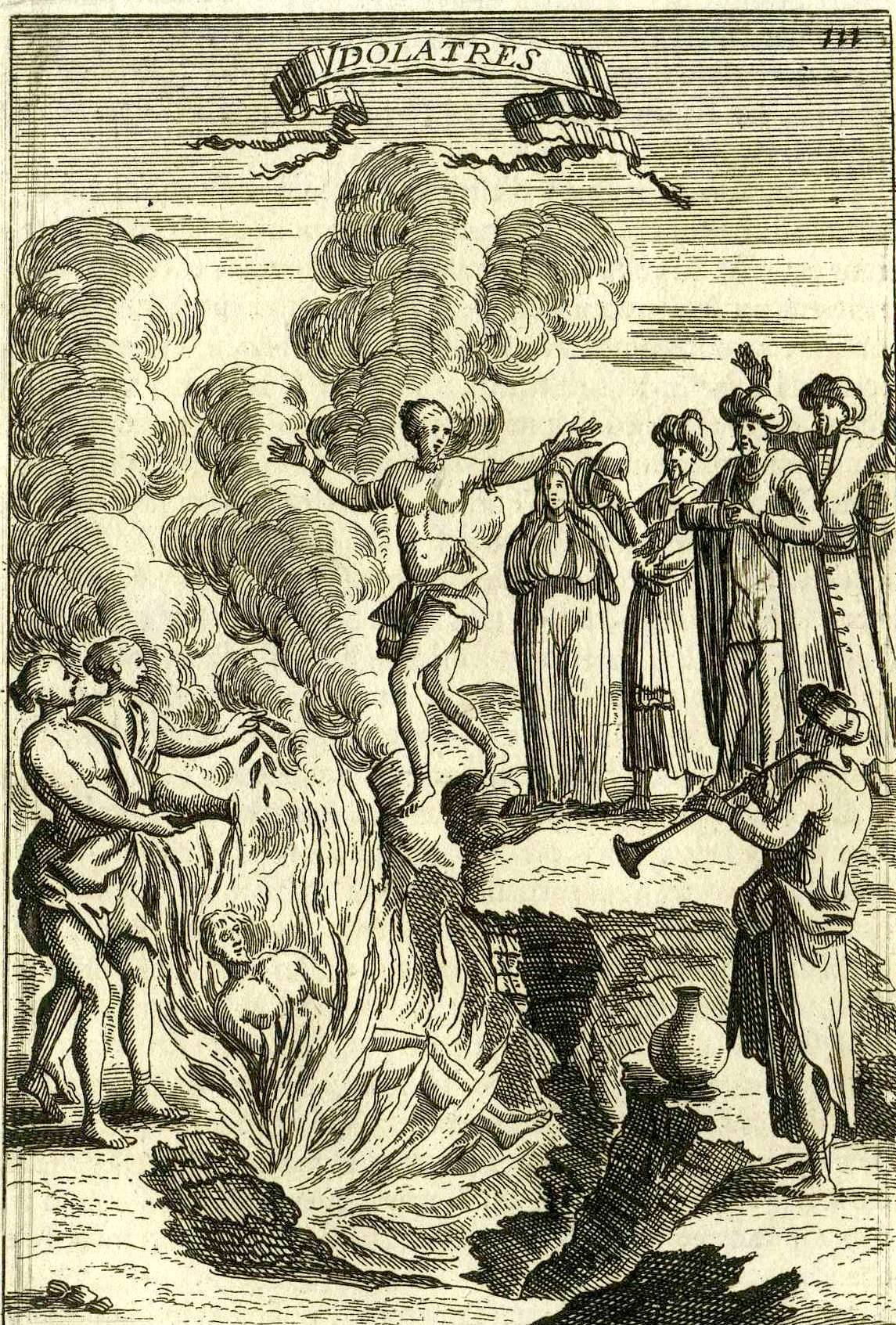
Idolatres (1685)
from: Allain Manesson Mallet, Description de l'Univers, , contenant les differents systêmes du monde, les cartes générals et particulières de la géographie ancienne et modern. Vol.: De l'Asie.
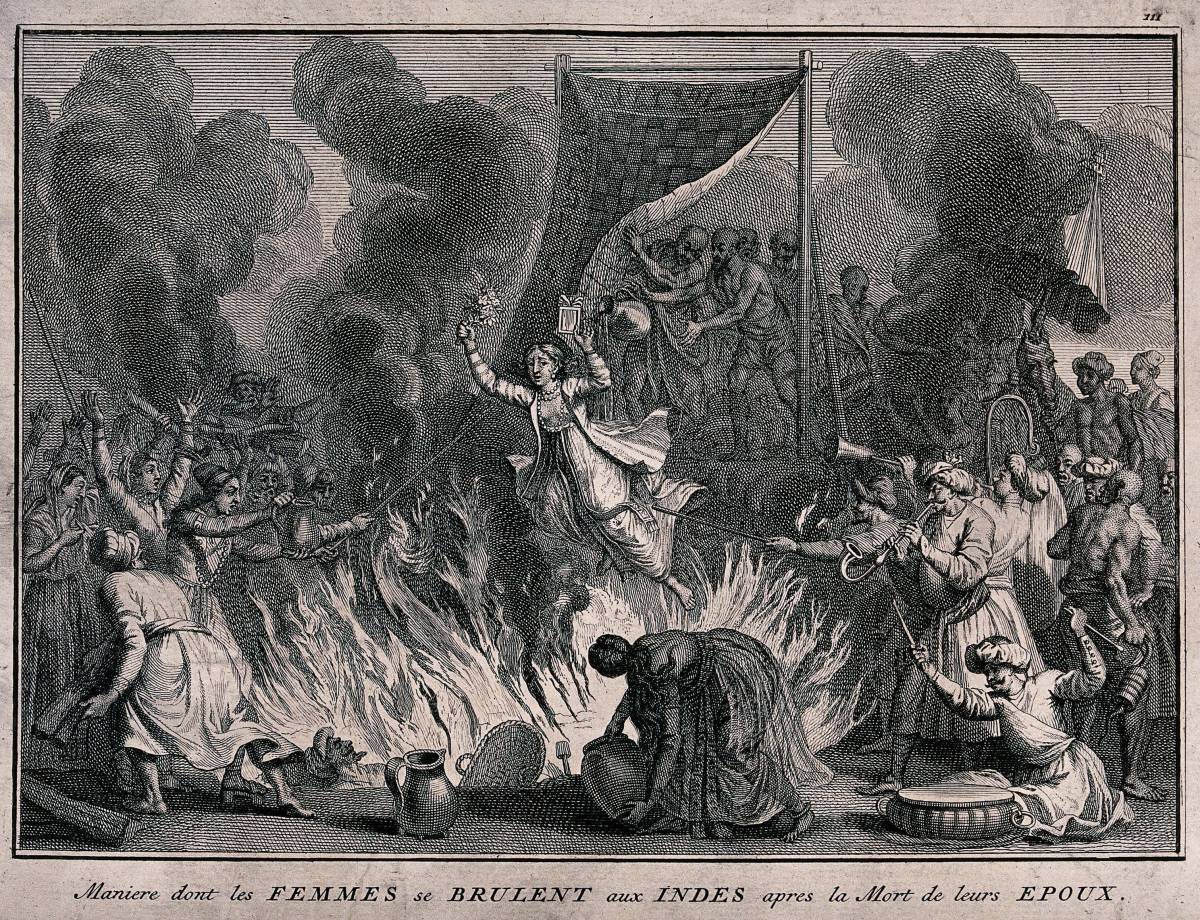
Manner in which the Women in India Burn (1728)
from: Picart, B. Ceremonies et Coutumes Religieuses des Peuples Idolatres, tome II, Amsterdam, 1728
London, Wellcome Collection

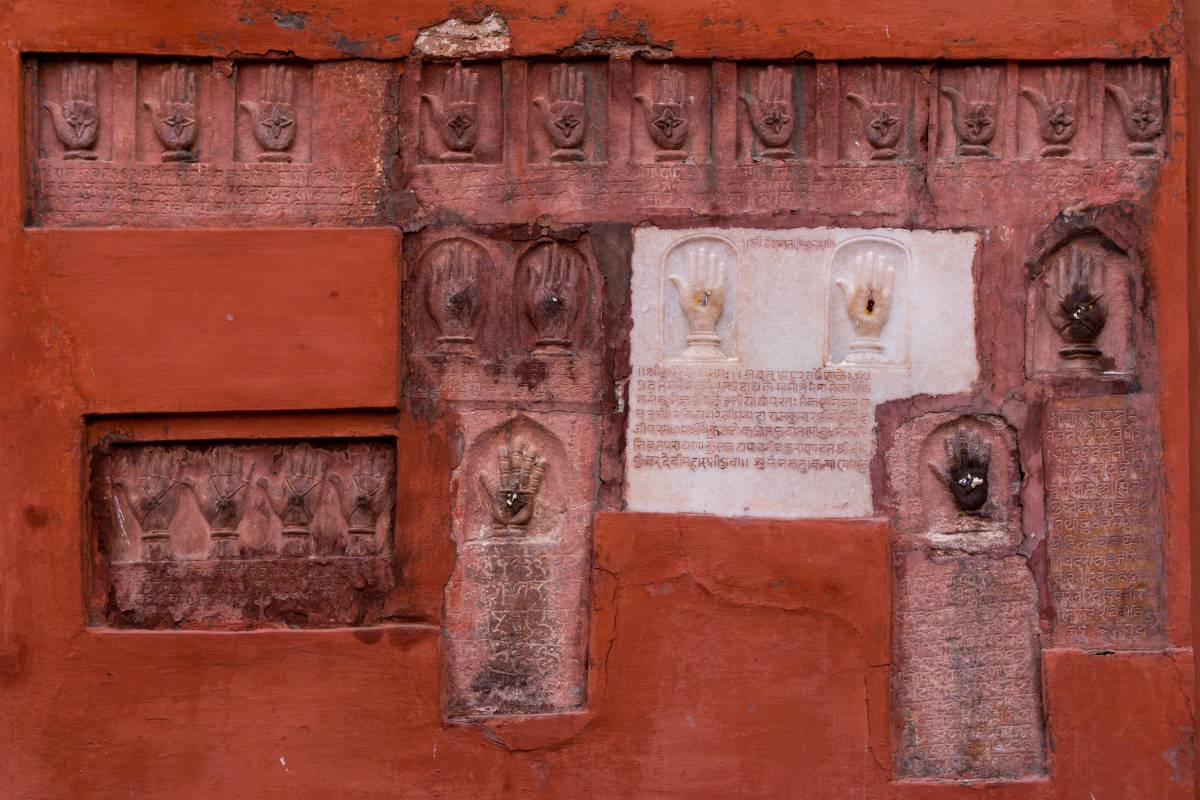
Handprints of women who committed sati
Wall of the Junagarh Fort (Bikaner, Rajasthan, India)
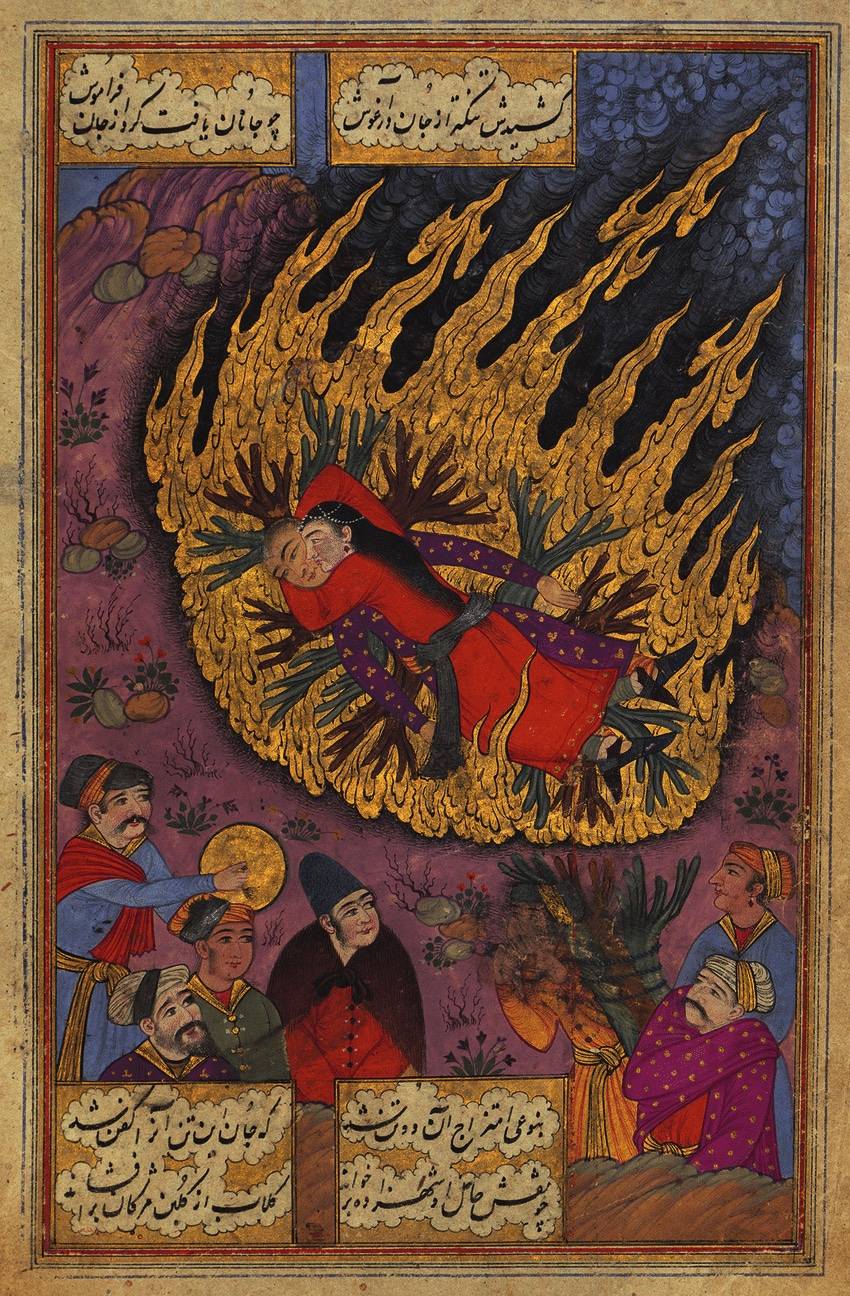
Satī, from a Sūz u Gudāz manuscript. The union of the couple on the pyre (1657)
from: Sūz u Gudāz ms, Iran, Walters Manuscript W. 649, fol. 19b (Burning and Melting)
The Walters Art Museum, Baltimore, Maryland
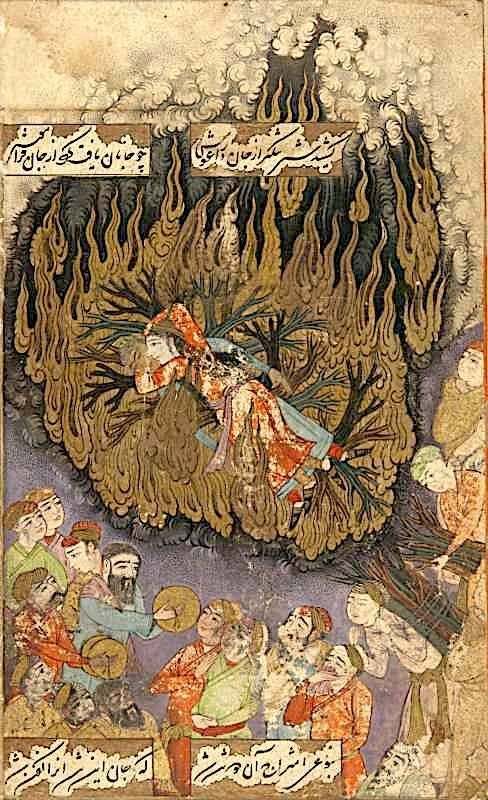
Satī. The bride immolates herself on the funeral pyre (1657)
from: Isfahan, Iran
The Israel Museum, Jerusalem
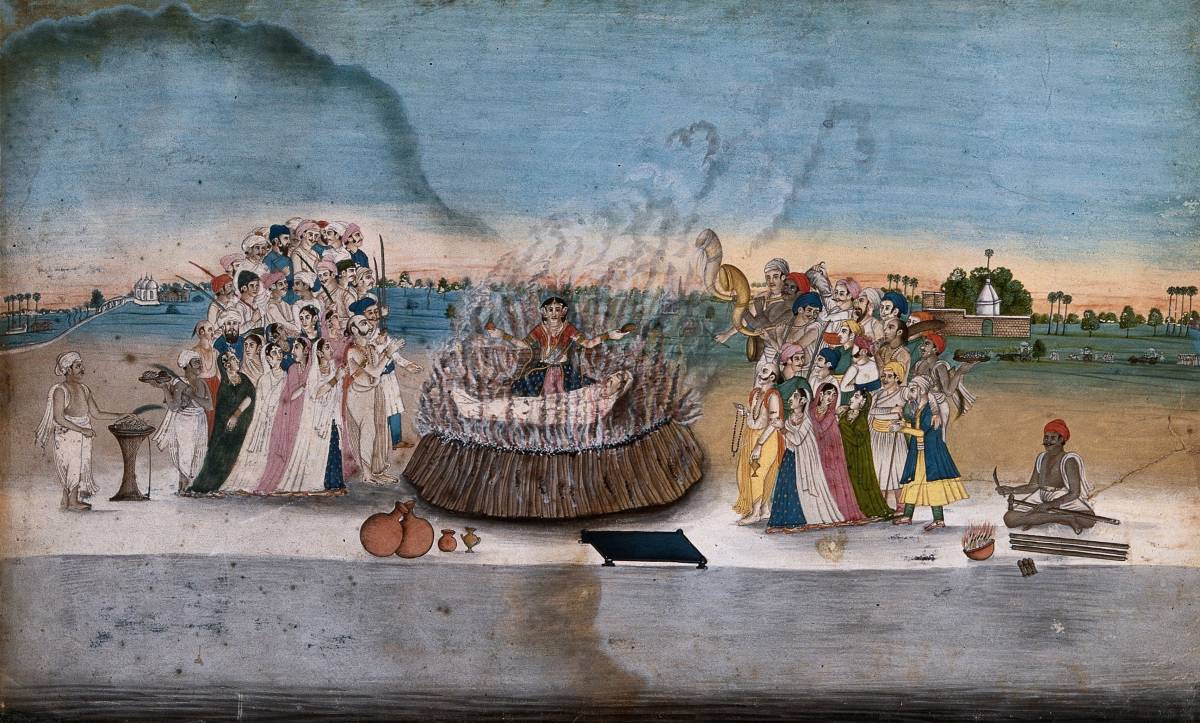

Funerailles des Femmes Benjanoises (1725)
from: van der Aa, P. La galerie agreable du monde. Tome premier des Indes Orientales, Leiden, c. 1725
http://www.columbia.edu/itc/mealac/pritchett/00routesdata/1800_1899/hinduism/sati/sati.html
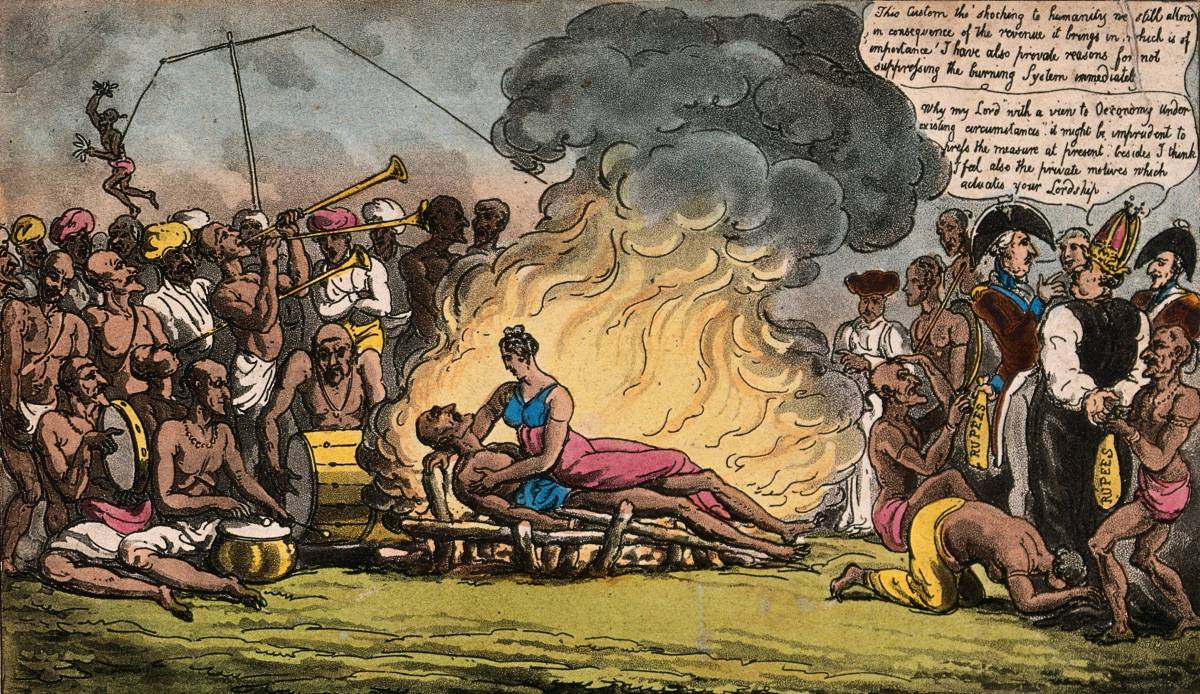
Suttee, with Lord Hastings shown as accepting bribes to allow its continuation (1815)
London, Wellcome Collection

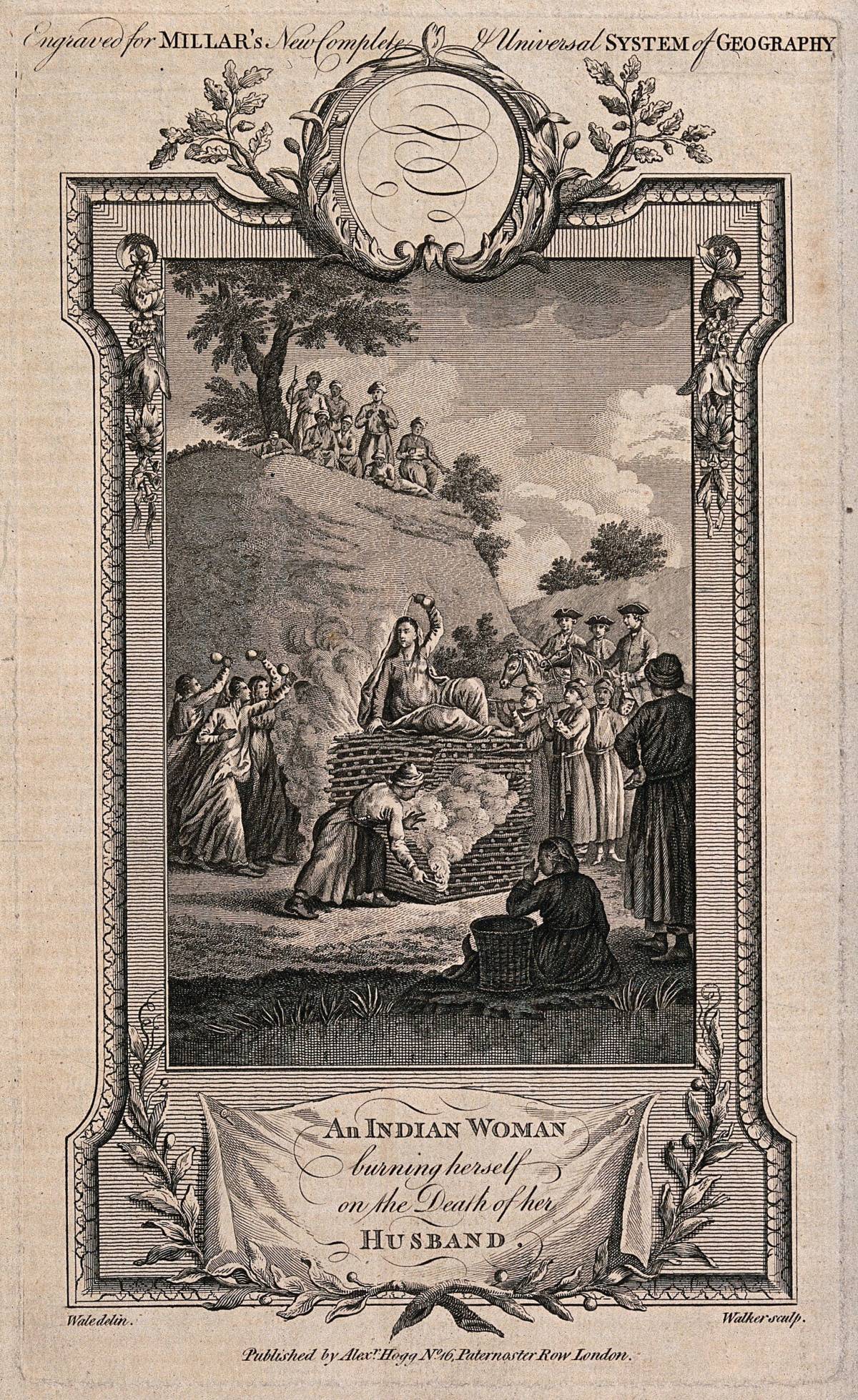
A Gentoo Woman Burning herself (1768)
from: Cavendish Drake, E. A, Universal Collection of Authentic and Entertaining Voyages and Travels, London, J. Cooke, 1768


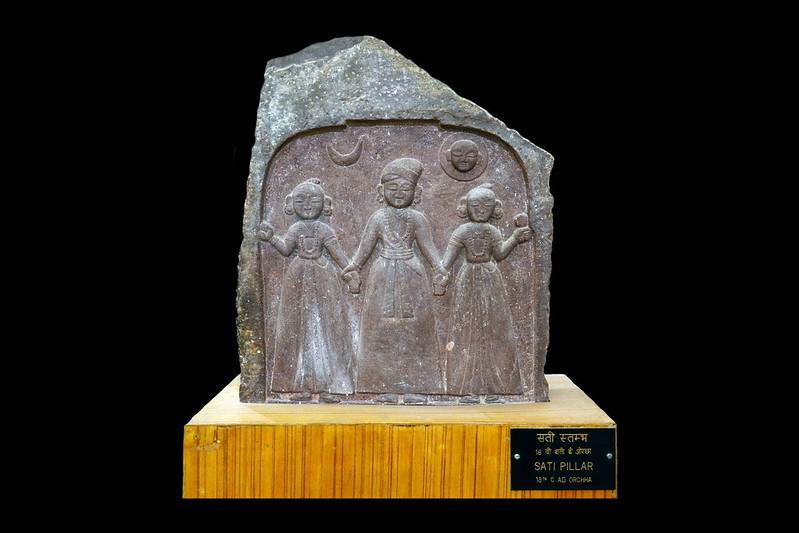
Handprints left by the wives of the maharaja before the Sati [1843]
Mehrangarh Fort, Rajasthan, India


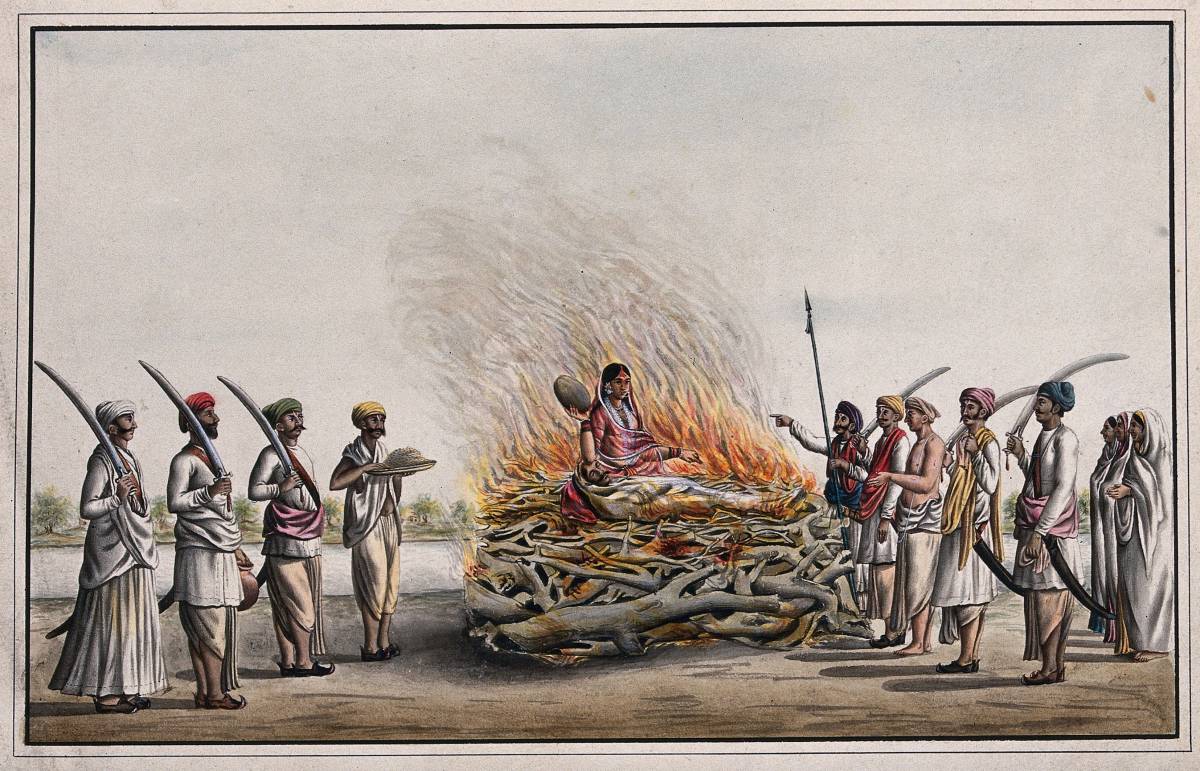
Sati (suttee): a woman immolating herself on her husband's funeral pyre. Gouache painting on mica by an Indian artist. (1800-1899)
from: India
London, Wellcome Collection
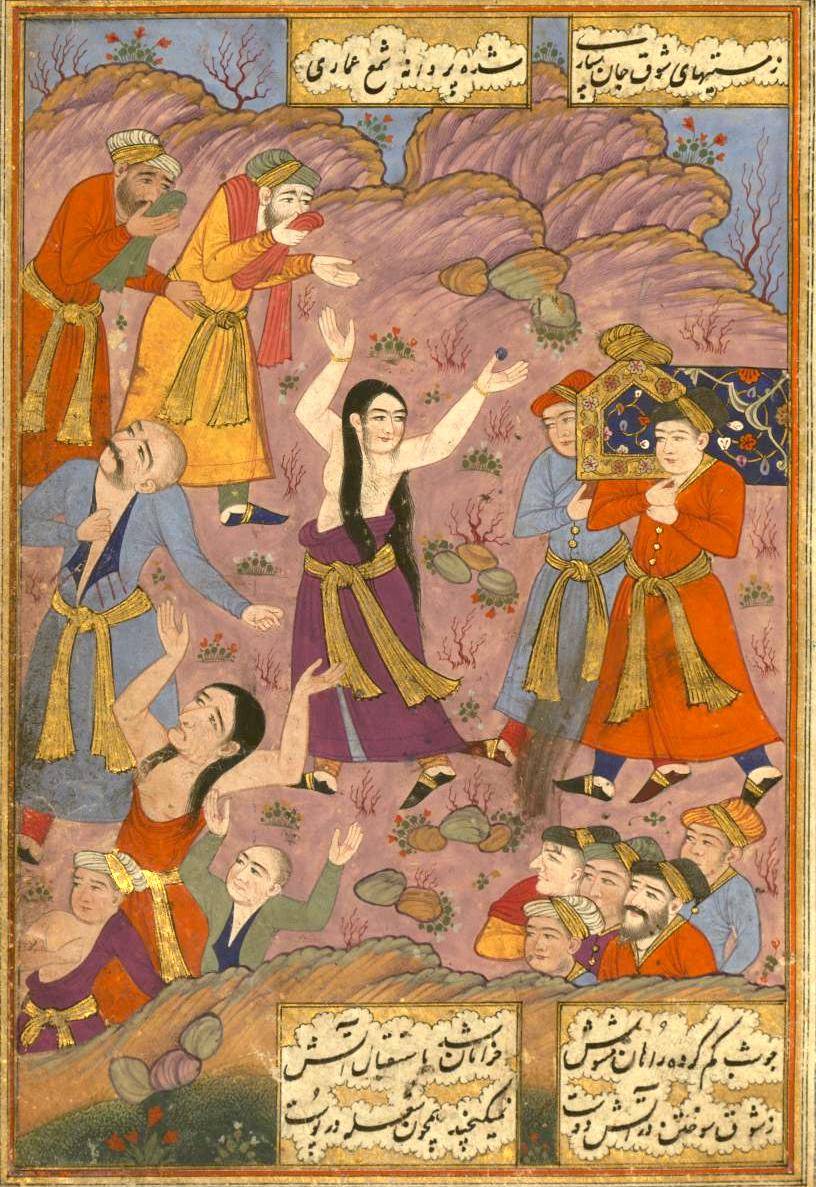
the young Hindu woman accompanies her bridegroom's coffin to the funeral pyre and decides to commit sati (1657)
from: Walters manuscript W.649 (Burning and Melting)
The Walters Art Museum

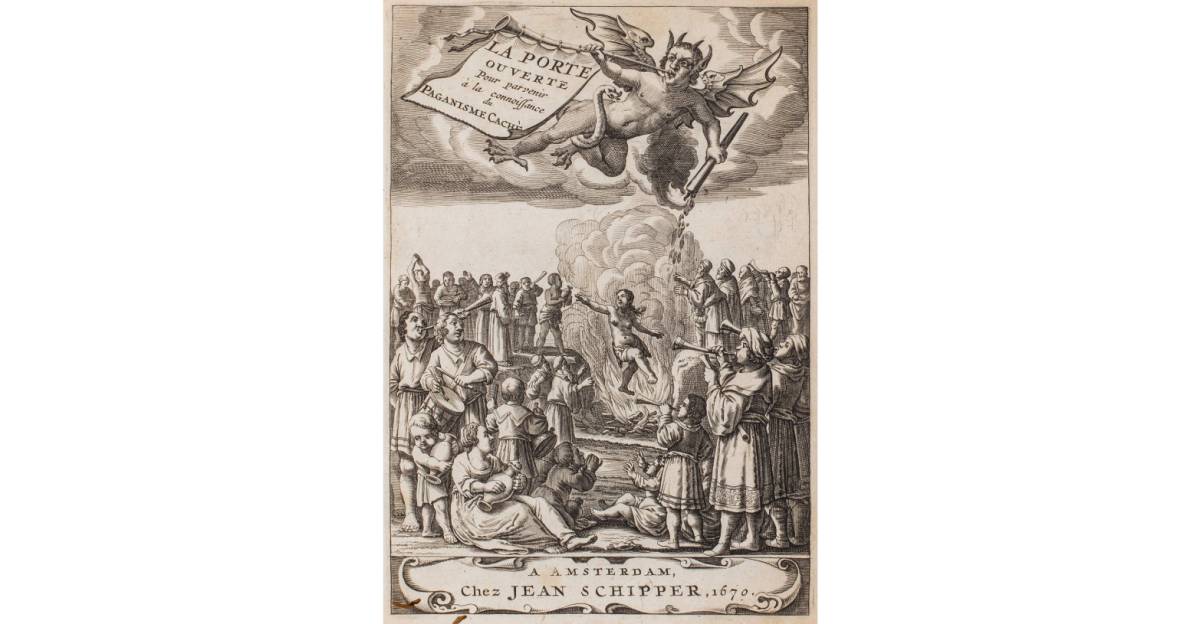
Scene of a Sati, with a woman throwing herself into the flames amid a crowd playing trumpets. Above, a winged devil holds the banner with the book's title and the torch with which he lights the ritual fire. (1670)
from: Abraham Rogerius, Le Théâtre de l’idolatrie ou la porte ouverte, Amsterdam, Jean Schipper, 1670, title page
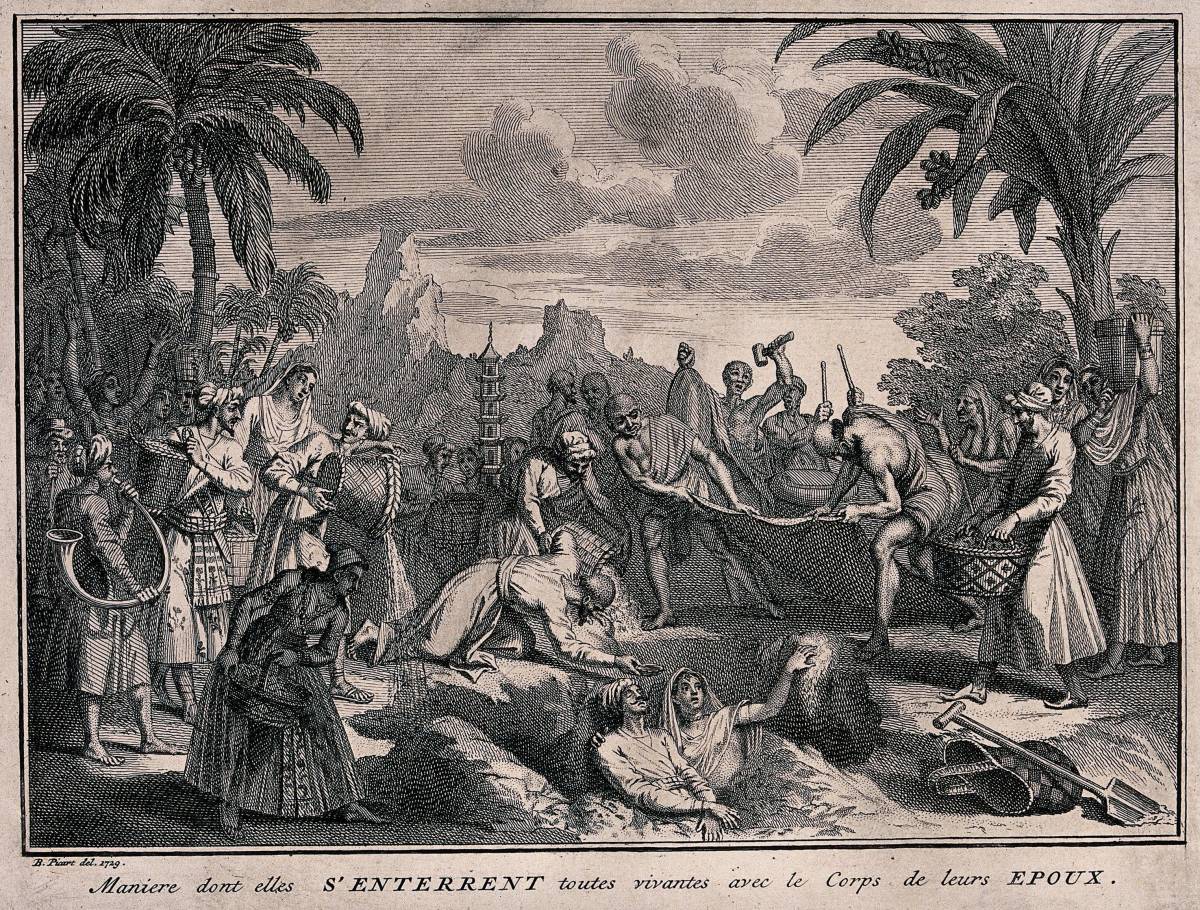
Manner in which they Bury Themselves (1728)
from: Picart, B. Ceremonies et Coutumes Religieuses des Peuples Idolatres, tome II, Amsterdam, 1728
London, Wellcome Collection